
Zygomatic Implants Explained: What They Are and Who They’re For
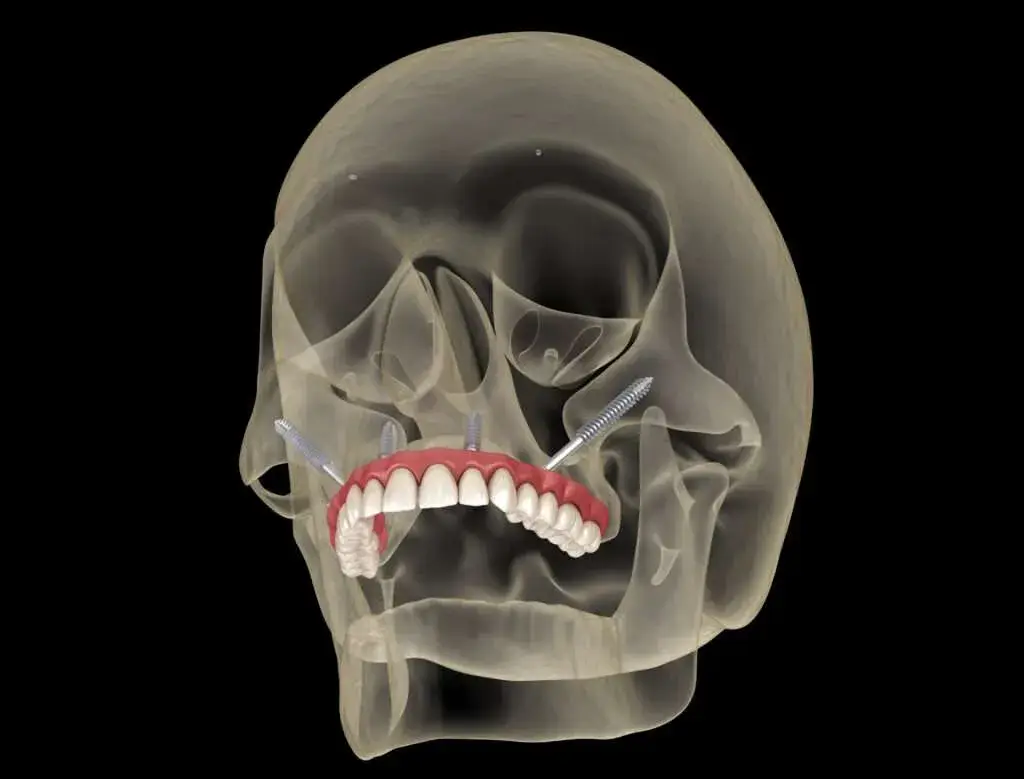
Zygomatic implants are a specialized solution for patients with severe upper jaw bone loss who are not candidates for traditional implants. By anchoring into the cheekbone, they often eliminate the need for bone grafting and reduce treatment time. This guide explains how zygomatic implants work and who may benefit from this advanced option.
Being told you’re not a candidate for dental implants can feel discouraging, especially if you’ve already struggled with dentures, missing teeth, or years of dental issues. For many patients with severe upper jaw bone loss, traditional implants just simply aren’t possible without extensive bone grafting and years of surgeries and recovery periods. But that doesn’t mean you’re out of options.
Zygomatic implants are an advanced dental solution designed specifically for patients with significant bone loss in the upper jaw. Instead of relying on weakened jawbone, these implants anchor into the zygomatic bone (the cheekbone), which is naturally dense and strong. For the right patient, zygomatic implants can restore a full upper smile without bone grafting, long healing periods, or multiple surgeries.
In this guide, we’ll explain what zygomatic implants are, how they work, who they’re for, and why they’ve become a life-changing option for patients once told implants weren’t possible.
What are Zygomatic Implants?
Zygomatic implants arerelatively long dental implants (compared to their traditional implant counterpart) that are placed in the upper jaw and anchored into the cheekbone rather than the maxillary bone. The cheekbone provides excellent stability, even when the upper jaw has experienced severe bone loss due to tooth loss, gum disease, or long-term denture use.
Unlike traditional implants, which are typically 1/4 to 1/5 Inch long, zygomatic implants can be up to 2 inches in length. This extra length allows them to bypass areas of insufficient bone and secure themselves in a much stronger foundation.
Zygomatic implants are most often used in full-arch restorations like All-On-4 Dental Implants, meaning they support an entire upper set of teeth rather than single replacements.
Why Severe Bone Loss Is a Challenge for Traditional Implants
When teeth are missing for a long time, the jawbone begins to shrink, a process known as bone resorption. In the upper jaw, this bone loss can be especially severe due to the proximity of the sinus cavities.
For traditional implants, dentists typically require a minimum amount of healthy bone to ensure long-term stability. When that bone is missing, patients are often told they need:
- Sinus lifts
- Extensive bone grafting
- Multiple surgeries over many months
These procedures can be costly, time-consuming, and unpredictable.
Zygomatic implants were developed to solve this exact problem without being hazardous or putting the implant success rate at risk.
How Zygomatic Implants Work
Instead of rebuilding lost jawbone, zygomatic implants take advantage of anatomy that’s already there.
The implants are angled and anchored into the zygomatic bone, which:
- Does not resorb like the jawbone
- Provides excellent stability
- Allows for immediate or early loading in many cases
In many treatment plans, zygomatic implants are combined with traditional implants in the front of the jaw, creating a stable foundation for a full upper arch of teeth.
Because of this stability, patients may receive temporary fixed teeth shortly after surgery, rather than waiting months without teeth.
Do Zygomatic Implants Eliminate the Need for Bone Grafting?
In many cases, yes.
One of the biggest advantages of zygomatic implants is that they often eliminate the need for bone grafting entirely in the upper jaw. This can mean:
- Fewer surgeries
- Shorter overall treatment time
- Lower overall risk
- Faster return to function and confidence
However, each case is unique. Some patients may still need minor grafting in specific areas, but the extensive grafting traditionally required is often avoided.
Are Zygomatic Implants Safe and Reliable?
When performed by experienced surgeons, zygomatic implants have shown high success rates, comparable to traditional implants. That said, they require advanced training, precise planning, and specialized experience.
This is not a procedure every dentist performs. Choosing a provider with experience in complex implant cases is critical for safety and long-term success.
Zygomatic Implants and Dental Tourism
Because zygomatic implants are complex, they are often significantly more expensive in the United States. This has led many patients to explore dental tourism options, especially in countries like Colombia, where highly trained specialists and advanced technology are available at a fraction of the cost.
At Aleriom, we help patients explore advanced solutions like zygomatic implants by coordinating care with experienced professionals, ensuring proper planning, safety standards, and a clear treatment timeline. For patients who were once told “there’s no solution,” this approach can open the door to a permanent, functional smile.
Final Thoughts: Understanding Your Options
Zygomatic implants have changed what’s possible for patients with severe bone loss. If you’ve struggled with dentures, been told you don’t have enough bone, or feel stuck without options, this treatment may be worth exploring.
The most important step is getting accurate information and a proper evaluation. With the right planning and expertise, zygomatic implants can provide stability, confidence, and a long-term solution, without the long road of bone grafting.
FAQs
How does Aleriom help patients considering zygomatic implants?
Aleriom coordinates the full dental travel experience, connecting patients with experienced specialists, assisting with treatment planning, and managing travel logistics. While Aleriom does not provide medical care directly, we help ensure patients receive clear information, proper evaluations, and a smooth treatment journey.
Are zygomatic implants available through dental travel with Aleriom?
Yes. Aleriom works with clinics experienced in advanced implant procedures, including zygomatic implants. These treatments are often more affordable abroad while maintaining high safety and quality standards.
How do I know if zygomatic implants are right for me?
Only a qualified dental specialist can determine if zygomatic implants are appropriate. Aleriom helps patients gather records, imaging, and evaluations so they can receive an informed professional opinion before committing to treatment.