
Why Replacing Missing Teeth Matters: From Tooth Preservation to Dental Implants
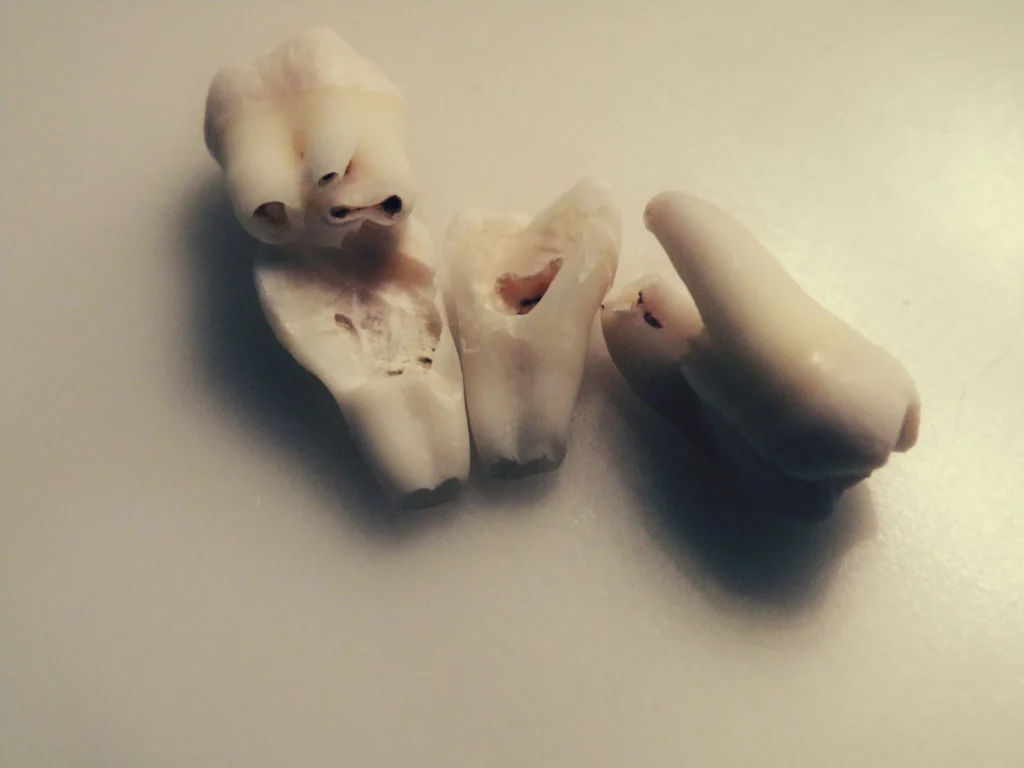
Replacing missing teeth is essential for protecting bone health, bite alignment, and facial structure. While dentists always try to save natural teeth first, extractions sometimes become unavoidable. Dental implants are often the most effective way to replace missing teeth and prevent long-term complications.
Tooth loss rarely happens overnight. In most cases, it is the result of years of decay, gum disease, trauma, or delayed dental care. While modern dentistry prioritizes saving natural teeth whenever possible, there are times when an extraction becomes unavoidable. When that happens, many patients assume the problem is solved once the tooth is removed. In reality, the consequences of tooth loss are only beginning.
Understanding why it’s important to replace missing teeth helps patients make better long-term decisions for their oral and overall health, as well as saving you some money in the long term . Missing teeth affect more than appearance. They can lead to bone loss, shifting teeth, bite problems, and even changes in facial structure. That’s why dentists strongly recommend replacing missing teeth as soon as it is safely possible, often with dental implants, the most stable and natural-feeling solution available today.
Why Dentists Always Try to Save Natural Teeth First
Preserving your natural tooth is almost always the preferred option. Treatments like fillings, crowns, root canals, and periodontal therapy exist to stop infection and restore function before extraction becomes necessary.
Dentists aim to save teeth because natural roots stimulate the jawbone and maintain proper bite alignment. Once a tooth is removed, that stimulation is lost. Even the best replacement options cannot fully replicate the biological function of a natural tooth root, however, they do come close.
Extractions become necessary when:
- Decay reaches a point where the tooth structure cannot be restored
- Infections threaten surrounding bone or teeth
- Severe fractures extend below the gum line
- Advanced gum disease causes excessive tooth mobility
When extraction is the healthiest option, the next critical step is planning how to replace missing teeth.
What Happens When You Don’t Replace Missing Teeth
Leaving a gap in your smile can trigger a chain reaction of dental problems which can affect your oral health and your finances. The most significant issue is bone loss. Without a tooth root, the jawbone begins to resorb, shrinking in both height and width over time.
Other consequences include:
- Shifting teeth, which can cause crowding and bite misalignment
- Increased stress on remaining teeth during chewing
- Changes in facial appearance, including sunken cheeks or premature aging
- Speech difficulties and reduced chewing efficiency
These changes can occur faster than many people expect. This is why dentists emphasize that replacing missing teeth is not cosmetic, it’s preventive care.
Why Dental Implants Are Often the Best Way to Replace Missing Teeth
Dental implants are considered the gold standard when it comes to replacing missing teeth. Unlike bridges or removable dentures, implants replace both the tooth and its root.
An implant works by:
- Integrating with the jawbone
- Preserving bone volume and density
- Supporting a crown that looks and functions like a natural tooth
Dental implants help prevent bone loss, protect neighboring teeth, and restore proper bite mechanics. For patients who qualify, implants offer the longest-lasting and most natural solution after tooth extraction.
In some cases, implants can even be placed immediately after extraction, depending on bone quality, infection status, and overall oral health.
When Other Replacement Options May Be Considered
While dental implants are ideal for many patients, they are not the only option. Bridges and dentures may be appropriate in cases involving medical limitations, financial considerations, or treatment timing constraints.
That said, these alternatives do not prevent bone loss in the same way implants do. Over time, patients who delay implant placement may require additional procedures such as bone grafting.
Understanding all available options allows patients to make informed decisions that align with both their health needs and long-term goals.
Replacing Missing Teeth Through Dental Travel with Aleriom
For many patients, cost and access prevent timely treatment. This is where dental travel becomes a practical solution. Aleriom helps patients explore safe, high-quality dental care abroad by coordinating logistics and connecting them with experienced providers.
Aleriom coordinate your treatment, we help patients navigate evaluations, treatment planning, and travel coordination, making it easier to replace missing teeth before complications worsen. For patients considering dental implants, timely care can make the difference between a straightforward procedure and a complex reconstruction later on.
Final Thoughts: Understanding Your Options
Tooth extraction may solve an immediate problem, but failing to replace missing teeth can create long-term consequences that affect your health, comfort, and confidence. Whether through dental implants or another restorative option, replacing missing teeth helps preserve bone, protect your bite, and maintain facial structure.
Early action matters. Understanding your options, and acting on them, can help you avoid more invasive and costly treatments in the future. If you’re ready to take the next step, feel free to reach out and we’ll be happy to arrange your free virtual evaluation with our dental team.
FAQs
Can Aleriom help me replace missing teeth if dental implants are too expensive at home?
Yes. Aleriom helps patients explore affordable options for replacing missing teeth by coordinating dental travel to Colombia. We assist with logistics, clinic coordination, and treatment planning so patients can access high-quality care without compromising safety or results.
Does Aleriom provide dental implants directly?
No. Aleriom does not provide medical or dental treatment. Instead, we coordinate care with experienced dental providers and help manage the travel, scheduling, and overall patient experience for those looking to replace missing teeth abroad.
What if I’ve been missing teeth for years, can Aleriom still help?
Absolutely. Many patients who contact Aleriom have delayed treatment due to cost or access. We help coordinate evaluations to determine whether dental implants, bone grafting, or alternative solutions are appropriate based on each patient’s situation.