
What Happens If You Avoid the Dentist for Years? A Timeline of Dental Damage
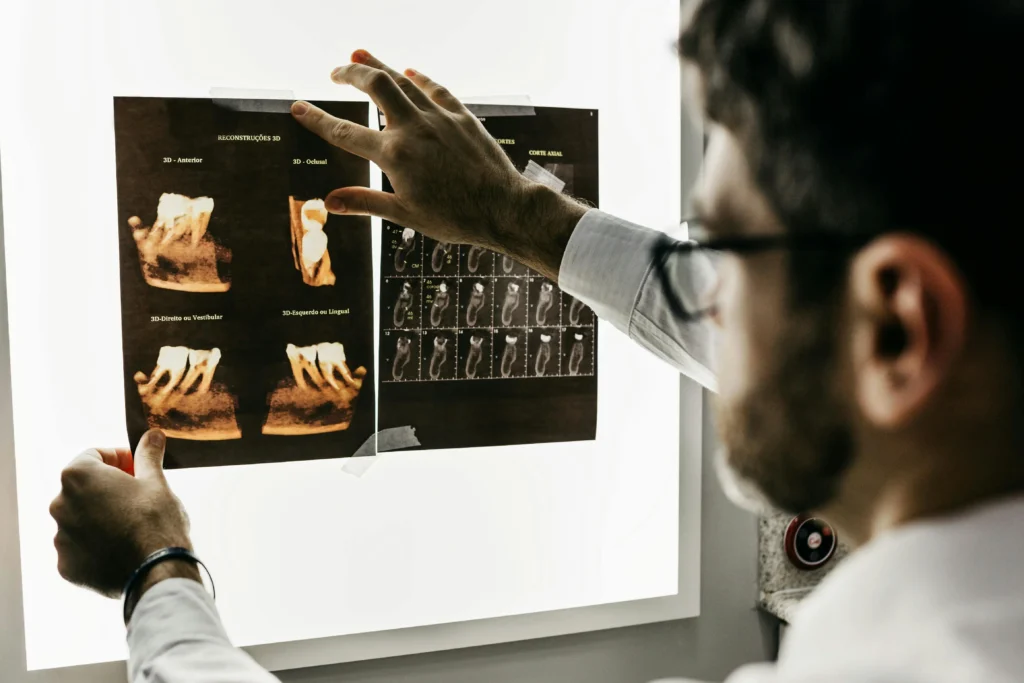
Avoiding the dentist for years can lead to a predictable chain of oral health problems, from early gum disease to tooth loss and bone deterioration. This blog breaks down the dental damage timeline and explains when small issues turn into complex treatments. It also explores how dental tourism in Colombia with Aleriom can help patients safely restore their oral health after years of delayed care.
For many people, skipping the dentist starts innocently. Life gets busy, appointments feel expensive, or anxiety makes it easier to postpone care “just a little longer.” Unfortunately, dental problems rarely stay the same over time. What begins as a small, manageable issue often progresses silently, until it becomes painful, complex, and far more costly to fix.
The truth is that your mouth gives early warning signs long before serious damage occurs. Regular dental visits are designed to catch problems at their simplest stage, when treatment is faster, less invasive, and more affordable. When care is delayed for years, however, oral health tends to follow a predictable path of deterioration. Understanding this timeline can help you recognize where you might be today, and why it’s never too late to take action.
Year 1–2: Plaque Buildup and Early Gum Inflammation
When regular cleanings stop, plaque begins to accumulate along the gumline. Plaque is a sticky film of bacteria that feeds on sugars in your diet and produces acids that attack tooth enamel.
At this stage, you may notice:
- Bleeding gums when brushing or flossing
- Mild bad breath
- Slight gum redness or tenderness
This condition is known as gingivitis, and it’s completely reversible with professional cleanings and improved oral hygiene. Unfortunately, without dental visits, gingivitis often goes untreated and progresses quietly.
Year 3–5: Cavities, Tartar & Gum Disease Progression
As plaque hardens into tartar (which can’t be removed at home), bacteria spread deeper. Cavities become more common, especially between teeth or near old fillings. Gums may begin pulling away from the teeth, creating pockets where bacteria thrive.
Common signs include:
- Tooth sensitivity to hot or cold
- Persistent bad breath
- Swollen or receding gums
- Occasional tooth pain
This is typically when early periodontal disease begins. Treatment becomes more involved, often requiring deep cleanings instead of routine checkups.
Year 5–10: Advanced Gum Disease and Structural Damage
Without intervention, periodontal disease worsens. Infection reaches the bone that supports your teeth, leading to gradual bone loss. Teeth may begin to shift, loosen, or feel unstable when chewing.
At this stage, patients may experience:
- Chronic gum infection
- Tooth mobility
- Gum recession that exposes tooth roots
- Pain or abscesses
Treatments now shift from preventive to corrective and may include periodontal therapy, root canals, or extractions.
10+ Years: Tooth Loss, Bone Deterioration, and Facial Changes
Long-term avoidance of dental care often leads to tooth loss. Once teeth are missing, the jawbone no longer receives stimulation from the bone, causing bone resorption. Over time, this can affect facial structure, lip support, and bite alignment.
Consequences may include:
- Multiple missing teeth
- Difficulty chewing and speaking
- Sunken facial appearance
- Increased risk of further tooth loss
At this point, restoring oral health usually requires advanced solutions such as dental implants, implant-supported dentures, or full-mouth restorations.
When Simple Treatments Become Complex Procedures
One of the biggest consequences of delaying dental care is that simple problems rarely stay simple. A small cavity that could have been treated with a filling may turn into a root canal or extraction. Gum inflammation that could have been reversed may require surgical intervention. Costs rise, treatment time increases, and recovery becomes longer.
Why Many Patients Delay Care & How Dental Tourism Helps
Cost and access are two of the most common reasons people avoid the dentist for years. In countries like the U.S. or Canada, complex dental work can feel financially out of reach. This is where dental tourism in Colombia has become a life-changing solution for many patients.
Through Aleriom, patients can access:
- High-quality dental care with experienced specialists
- Modern clinics and advanced technology
- Treatment plans that prioritize safety and long-term results
- Significant cost savings compared to care at home
Instead of continuing to delay treatment, patients can finally address years of dental damage in a structured, affordable, and transparent way.
It’s Never Too Late to Start Again
No matter how long it’s been since your last dental visit, there is always a path forward. Modern dentistry offers solutions for every stage of dental damage, from preventive care to full-mouth restoration. The key is taking the first step and getting an honest evaluation of your oral health.
Avoiding the dentist may feel easier in the short term, but understanding the long-term consequences can help you make a healthier choice for your smile—and your overall well-being.
If you’ve been putting off care for years, Aleriom can help you explore safe, high-quality options to restore your oral health and confidence, without the overwhelming costs that caused the delay in the first place. Don’t wait, send us a message, we’ll be happy to help!
How Aleriom Helps Patients Catch Problems Early
For patients traveling for dental care, Aleriom helps ensure your treatment is safe, accurate, and based on real diagnostic information. We help you:
- Get high-quality dental scans
- Receive clear explanations of what can be reversed and what needs treatment
- Compare options like fillings, onlays, or veneers
- Coordinate travel and appointments with trusted dental providers in Colombia
We make it easier to get expert guidance before small issues become big ones. If you’re ready to take the next step, send us a message, we’ll be happy to help you get the dental care you need affordably.
FAQs
I haven’t seen a dentist in years, can Aleriom still help me?
Yes. Many Aleriom patients have delayed dental care due to cost, access, or fear. We coordinate comprehensive evaluations in Colombia to identify your current oral health status and create a step-by-step treatment plan, no matter how long it’s been.
What types of treatments are common for patients who avoided the dentist for a long time?
Treatment varies depending on your needs, however, these often include deep cleanings, extractions, implants, bone grafting, or full-arch solutions like All-on-4. Aleriom works with experienced specialists to prioritize safety, function, and long-term results based on your specific needs.
Is dental tourism in Colombia safe for complex dental cases?
Yes, when done correctly. Aleriom partners with reputable clinics and qualified dentists, uses modern technology, and coordinates follow-up care and recovery timelines to ensure patients receive high-quality, reliable treatment in Colombia.