
How Dry Mouth Leads to More Cavities: Understanding Xerostomia and Tooth Decay
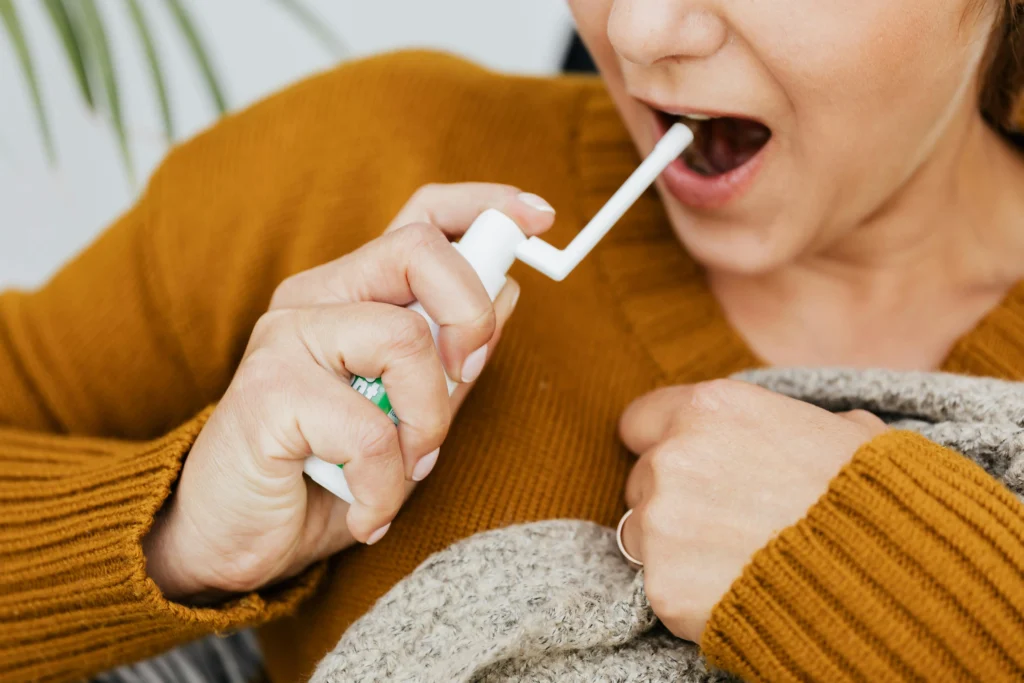
Dry mouth (xerostomia) reduces saliva, one of your teeth’s most important natural defenses against cavities. Without enough saliva, bacteria and acids attack enamel more aggressively, leading to faster tooth decay. Early diagnosis and preventive care can help protect your teeth and avoid complex dental treatments later.
If you constantly feel like your mouth is dry, sticky, or uncomfortable, it’s more than just an annoyance, it can be a serious risk to your teeth. Dry mouth, also known as xerostomia, significantly increases the likelihood of cavities and tooth decay, even in people who brush regularly.
Saliva plays a critical role in protecting your teeth every single day. When saliva production drops, harmful bacteria and acids gain the upper hand, weakening enamel and accelerating decay. Understanding how dry mouth leads to cavities, and what you can do about it, is essential for protecting your long-term oral health.
What Is Xerostomia (Dry Mouth)?
Xerostomia occurs when your salivary glands don’t produce enough saliva to keep your mouth properly lubricated. This can be temporary or chronic, depending on the underlying cause.
Common symptoms include:
- Persistent dryness or stickiness in the mouth
- Difficulty chewing, swallowing, or speaking
- A burning sensation on the tongue
- Bad breath
- Increased tooth sensitivity or frequent cavities
Dry mouth is not a disease itself, but a condition that is caused by or often signals an underlying issue, and it can have serious dental consequences if left untreated.
Why Saliva Is Essential for Preventing Cavities
Saliva is one of your body’s most powerful natural defenses against tooth decay. It protects your teeth in several key ways:
- Neutralizes acids produced by bacteria after eating
- Washes away food particles and plaque
- Supplies minerals like calcium and phosphate that help remineralize enamel
- Controls bacterial growth in the mouth
When saliva flow is reduced, acids remain on the teeth longer, enamel weakens faster, and cavities can develop quickly, even without obvious warning signs.
How Dry Mouth Leads to More Cavities
Without enough saliva:
- Bacteria multiply more easily
- Acid attacks on enamel last longer
- Early enamel damage can’t remineralize
- Cavities form faster and spread deeper
People with chronic dry mouth often develop cavities along the gumline, between teeth, or in areas that were previously healthy. These cavities can progress rapidly and may require fillings, crowns, or even extractions if not caught early.
This is why dry mouth cavities are often more aggressive than typical decay.
Common Causes of Dry Mouth
Dry mouth can affect people of all ages and backgrounds. Some of the most common causes include:
Medications
Many prescription and over-the-counter medications reduce saliva production, including:
- Antidepressants and anxiety medications
- Blood pressure medications
- Antihistamines and decongestants
- Pain medications
Medical Conditions
Certain health issues are strongly linked to xerostomia, such as:
- Diabetes
- Sjögren’s syndrome
- Autoimmune disorders
- Cancer treatments (radiation and chemotherapy)
Dehydration and Lifestyle Factors
- Not drinking enough water
- Excessive caffeine or alcohol consumption
- Smoking or vaping
- Mouth breathing, especially during sleep
Identifying the root cause is key to managing dry mouth and preventing cavities.
How to Reduce Cavity Risk If You Have Dry Mouth
While dry mouth can’t always be cured, its effects on your teeth can be managed with the right approach.
- Stay Consistently Hydrated: Sip water throughout the day rather than drinking large amounts all at once. This helps keep your mouth moist and washes away acids.
- Use Fluoride Daily: Fluoride toothpaste and rinses strengthen enamel and make teeth more resistant to acid attacks — especially important for patients with dry mouth.
- Chew Sugar-Free Gum: Gum with xylitol stimulates saliva production and reduces cavity-causing bacteria.
- Limit Sugar and Acidic Foods: Frequent sugar exposure is especially harmful when saliva is low. Reduce snacking and avoid acidic drinks like soda and energy drinks.
- Use Saliva Substitutes: Artificial saliva sprays or gels can help relieve dryness and protect oral tissues, particularly at night.
- Schedule Regular Dental Checkups: People with xerostomia should be monitored closely, as cavities can form faster and with fewer symptoms.
Why Early Care Matters (Especially for Dental Travelers)
For patients who delay dental care due to cost or access issues, dry mouth can quietly accelerate dental damage. What starts as minor enamel weakening can turn into widespread decay requiring complex treatment.
At Aleriom, we help patients connect with experienced dental providers in Colombia who focus on prevention, early diagnosis, and long-term solutions. Whether you need preventive care, restorative treatment, or help managing ongoing conditions like dry mouth, coordinated dental care can stop small problems before they become major ones.
Final Thoughts
Dry mouth is more than an uncomfortable condition — it’s a major risk factor for cavities and tooth decay. Without saliva’s natural protection, teeth become vulnerable to acid attacks and bacterial damage at a much faster rate.
By understanding the causes of xerostomia and taking proactive steps to protect your teeth, you can significantly reduce your risk of cavities and preserve your smile. With proper guidance, preventive care, and timely treatment, even patients with chronic dry mouth can maintain strong, healthy teeth.
FAQs
Can Aleriom help if I’ve been told I don’t have enough bone for dental implants?
Yes. Aleriom helps coordinate care with experienced dental providers in Colombia who offer advanced implant solutions, including bone grafting, sinus lifts, and alternative implant techniques for patients with bone loss.
Are bone grafting and advanced implant procedures more affordable through Aleriom?
Many patients choose Aleriom because complex procedures like bone grafts or zygomatic implants can be significantly more affordable abroad, while still meeting high clinical and safety standards.
How does Aleriom know which implant option is right for me?
Aleriom works with dental teams that review your imaging and medical history before recommending a treatment plan. This ensures the implant approach fits your bone condition, health needs, and travel timeline.