
Traditional Biphasic vs. Corticobasal Implants: What’s the Difference and Which Is Right for You?
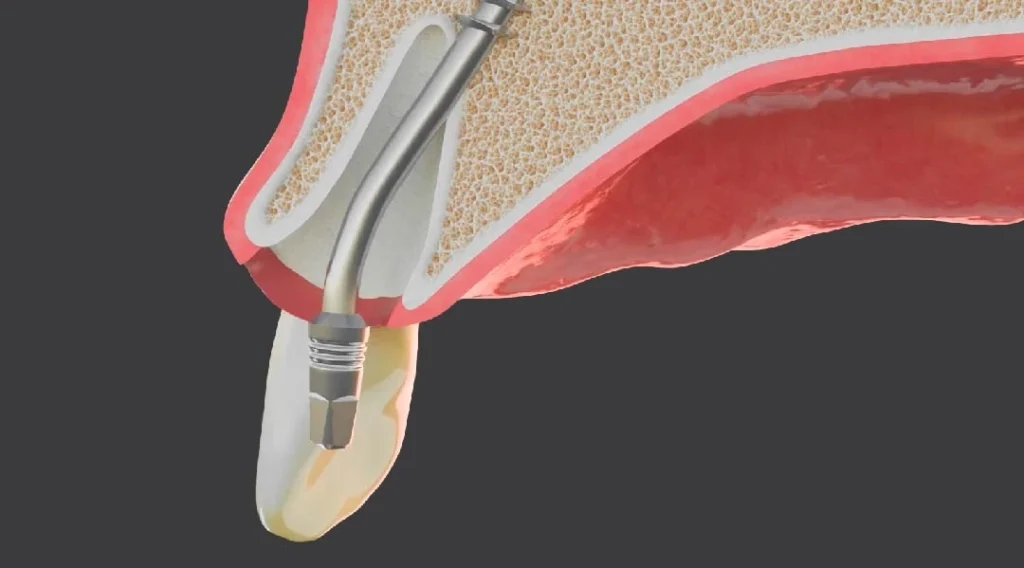
Traditional biphasic implants remain the most researched and predictable option in implant dentistry. Corticobasal implants provide a powerful, immediate alternative, especially for patients with bone loss or tight timelines.
With the right evaluation, both approaches can deliver safe, functional, and long-lasting results for patients.
If you’re considering dental implants, chances are you’ve come across a wide range of techniques, especially the debate between traditional biphasic implants and corticobasal implants. Both are legitimate approaches used around the world, but they work very differently and are designed for different types of patients. What can make things even more confusing is that some clinics heavily promote one system over the other, leaving patients unsure about what’s truly best for their situation.
This blog breaks things down clearly and objectively. We explain how each system works, why both can be effective when used in the right cases, and how to understand which approach aligns with your anatomy, goals, and timeline. At Aleriom, we help patients navigate these options every day, especially those traveling to Colombia for implant treatment, so our goal here is to empower you with the facts in a supportive, patient-friendly way while offering both options so you can make the best informed decision for yourself.
What Are Traditional Biphasic Implants? (The Gold Standard)
Traditional biphasic implants are the most widely used implant system in modern dentistry. Known for their predictable healing and long-term durability, they are placed in two phases.
How They Work
- A titanium implant is placed into the jawbone.
- The bone integrates with it over a few months (osseointegration).
- After healing, the final crown or full-mouth prosthesis is attached.
Benefits
- Excellent long-term success rates backed by decades of research.
- Works with advanced digital planning and guided surgery.
- Highly customizable, offering outstanding cosmetic results.
- Ideal for full-mouth restorations, single implants, and everything in between.
Things to Consider
- Requires a healing period before final teeth.
- Some cases require bone grafting for optimum stability.
Traditional biphasic implants are preferred by many clinicians because of their consistency, aesthetics, and scientific backing.
What Are Corticobasal Implants? (A Strong Option for Select Cases)
Corticobasal implants have become increasingly popular for patients wanting immediate fixed teeth, especially those with significant bone loss or those who cannot undergo bone grafting.
Rather than relying on the spongy alveolar bone, these implants anchor into the denser basal bone, which remains stable even when upper bone levels have deteriorated.
How They Work
- Long, strategically angled implants are anchored into the cortical bone.
- A fixed prosthesis is typically attached within 72 hours. No need for temporary teeth.
- Bone grafting is rarely needed.
Benefits
- Immediate loading — you can walk out with fixed teeth very quickly.
- An excellent alternative for patients previously told they “don’t have enough bone.”
- Avoids the need for bone grafts or sinus lifts.
- Shorter treatment timeline, ideal for medical travelers with limited time.
Things to Consider
- Fewer long-term studies compared to traditional implants.
- Prosthetic designs may differ from conventional full-arch systems.
- Results depend heavily on the experience of the surgeon.
When performed by a trained and experienced provider, corticobasal implants can be a life-changing solution for patients who otherwise thought implants weren’t possible.
Aleriom helps patients review their scans and determine whether they’re acceptable candidates for this approach before traveling.
Success Rates and Scientific Support
Traditional Biphasic Implants
- 95–98% long-term success.
- Decades of university-level research.
- Easily maintained and repairable.
Corticobasal Implants
- Strong short-term success rates when performed by trained specialists.
- Promising option for advanced bone-loss cases.
- More variation in outcomes based on clinician skill and brand.
Both systems can work extremely well, the key is choosing the one that matches your anatomy and expectations.
Who Is a Good Candidate?
Traditional Biphasic Implants Are Great For Patients Who:
- Want the most researched, long-term predictable solution.
- Are okay with a healing period.
- Want premium aesthetics with zirconia or titanium prostheses.
- Have adequate bone or are willing to undergo grafting.
Corticobasal Implants Are Great For Patients Who:
- Have severe bone loss but want fixed teeth without grafts.
- Need a fast, immediate solution.
- Cannot undergo major bone augmentation procedures.
- Have limited travel time for treatment.
So Which Option Should You Choose?
There is no “one-size-fits-all” implant philosophy. Both can be effective and transformative when done correctly.
The best choice depends on:
- Your bone structure
- Your medical history
- Your aesthetic goals
- Your budget and travel plans
- Your dentist’s training and experience
If you need any more tips when making an informed decision, you can check out our guide, Dental Implants Abroad: What You Should Ask Before You Travel.
Aleriom works with vetted clinicians who offer evidence-based treatment options. We help you review your scans, understand your choices, and move forward confidently.
FAQs
How can I know whether I’m a better candidate for traditional biphasic implants or corticobasal implants?
The only way to know for sure is through a detailed evaluation of your CT scan. At Aleriom, we help you submit your scan to trusted specialists in Colombia who evaluate bone quality, bone height, gum health, and your medical history. Based on this information, they’ll recommend the safest and most predictable option for your case — whether that’s a traditional or corticobasal approach.
Can Aleriom connect me with clinics that offer both implant systems?
Yes. Aleriom works with vetted dental partners in Colombia who specialize in both traditional biphasic implants and corticobasal implants. We only collaborate with providers who have documented experience and who prioritize patient safety. This allows you to compare treatment plans side-by-side with full transparency before choosing the approach that fits your goals.
If I’m traveling for implants, which option is better for medical tourists?
Both can work well, depending on your needs. Traditional implants often require two trips due to healing time, while corticobasal implants can sometimes be done in a single visit with immediate fixed teeth. Aleriom helps you evaluate both options, estimate travel logistics and costs, and plan the safest timeline for your treatment abroad — whether you’re seeking a fast solution or the most research-backed approach.